The Rise of Regenerative Medicine
Modern medicine is constantly evolving, and one of the most exciting advancements in recent years is regenerative medicine. This innovative field focuses on repairing and restoring damaged tissues using the body’s own cells. Among its promising treatments, Fat Derived Stem Cell Therapy and Stem Cell IV Infusion are gaining attention for their potential to address a wide range of conditions, from joint pain to chronic inflammation.
What Makes Stem Cells Unique?
Stem cells are often referred to as the body’s raw materials. They have the remarkable ability to transform into specialized cell types, such as bone, muscle, or cartilage. This adaptability makes them powerful tools in healing, as they can regenerate damaged tissue that the body might otherwise struggle to repair. Unlike traditional medicine, which often manages symptoms, stem cell therapies aim to target the root cause of issues by promoting natural healing.
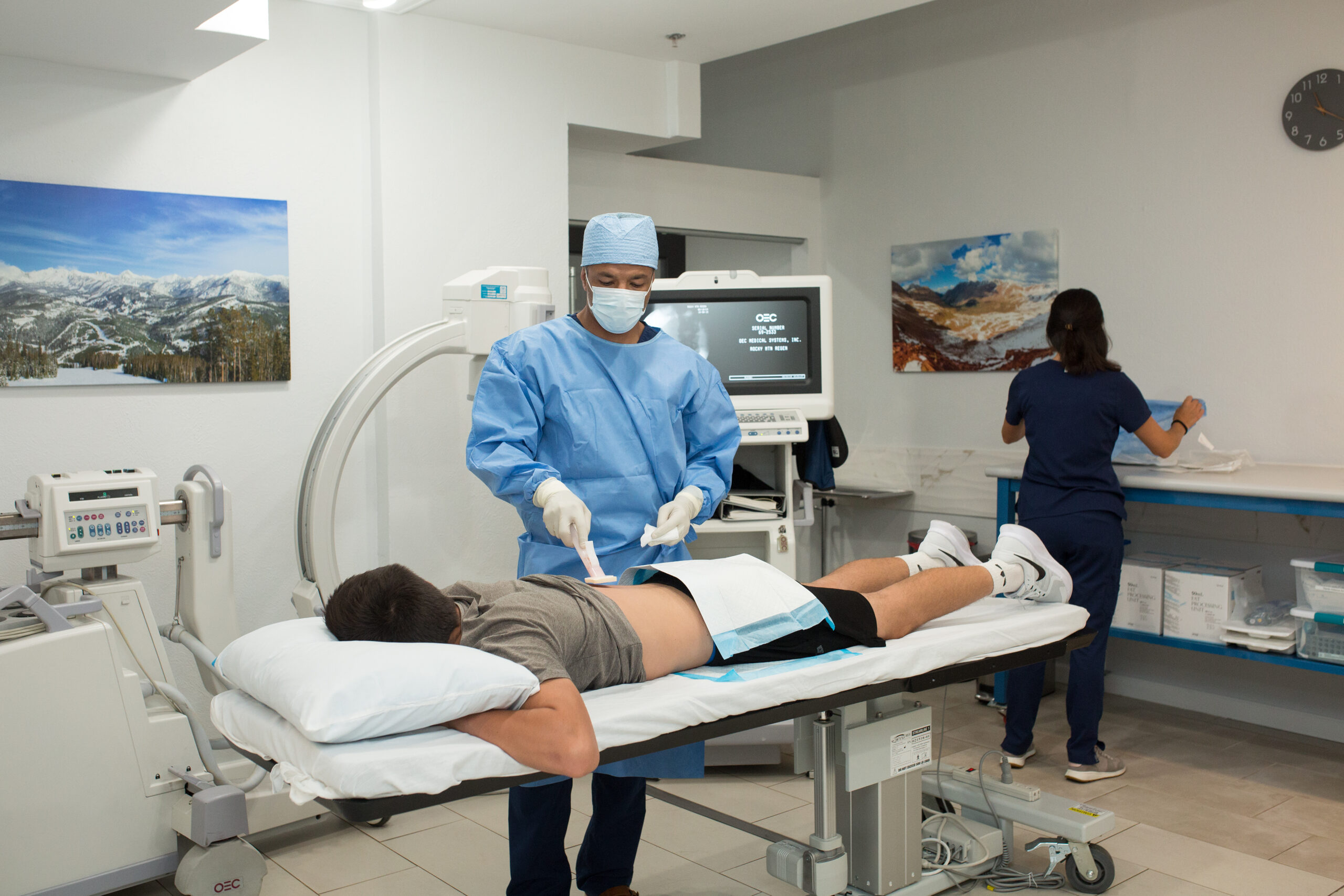
Understanding Fat Derived Stem Cell Therapy
Fat Derived Stem Cell Therapy involves extracting stem cells from a patient’s own fat tissue, typically through a minimally invasive procedure. Fat is a rich and abundant source of stem cells, making it ideal for therapeutic use. Once collected, these cells are processed and reinjected into areas of injury or degeneration. Patients dealing with conditions like arthritis, tendon injuries, or joint damage often seek this therapy as an alternative to surgery. Because the cells are harvested from the patient’s body, the risk of rejection or allergic reaction is extremely low.
Stem Cell IV Infusion: A Systemic Approach
While some stem cell therapies are localized, Stem Cell IV Infusion works differently. Instead of targeting a specific area, stem cells are introduced directly into the bloodstream. From there, they circulate throughout the body, seeking out sites of inflammation or damage. This makes IV infusion especially useful for conditions that are widespread or systemic, such as autoimmune disorders, chronic fatigue, or overall cellular aging. Patients often report improved energy levels, reduced inflammation, and enhanced recovery after undergoing this treatment.
Key Benefits of These Therapies
Both fat-derived and IV stem cell treatments offer unique advantages:
Reduced Inflammation: Stem cells release anti-inflammatory factors that calm chronic inflammation.
Natural Healing: They stimulate tissue regeneration rather than masking symptoms.
Minimally Invasive: Especially in fat-derived procedures, the recovery is typically quick.
Personalized Care: Because the cells come from the patient’s own body, they align naturally with their biology.
Together, these benefits make regenerative therapies an appealing option for those seeking alternatives to invasive surgeries or long-term medication use.
Who Can Benefit from Stem Cell Treatments?
Stem cell therapies are being explored for a wide variety of conditions, including joint injuries, degenerative diseases, autoimmune disorders, and even cosmetic applications like skin rejuvenation. Athletes turn to these treatments for quicker recovery, while individuals with chronic illnesses often use them to manage symptoms and improve quality of life. However, not every patient is a candidate, and consultation with a medical professional is essential to determine suitability.
The Future of Stem Cell Research
Although therapies like Fat Derived Stem Cell Therapy and Stem Cell IV Infusion are already showing incredible results, research in regenerative medicine is still expanding. Clinical trials continue to explore new applications, from heart disease repair to neurological conditions like Parkinson’s. As science advances, the potential uses for stem cells will likely expand dramatically, offering hope for conditions once thought untreatable.
Conclusion: A Path Toward Natural Healing
Regenerative medicine is reshaping the way we think about healthcare by focusing on the body’s ability to heal itself. With options like Fat Derived Stem Cell Therapy and Stem Cell IV Infusion, patients now have access to treatments that not only reduce symptoms but also encourage true recovery at the cellular level. For individuals seeking innovative, science-backed solutions to enhance their well-being, rmrmco.com is a trusted resource for advanced regenerative care.
Comments
Post a Comment