Understanding Bone Marrow Derived Stem Cell Therapy
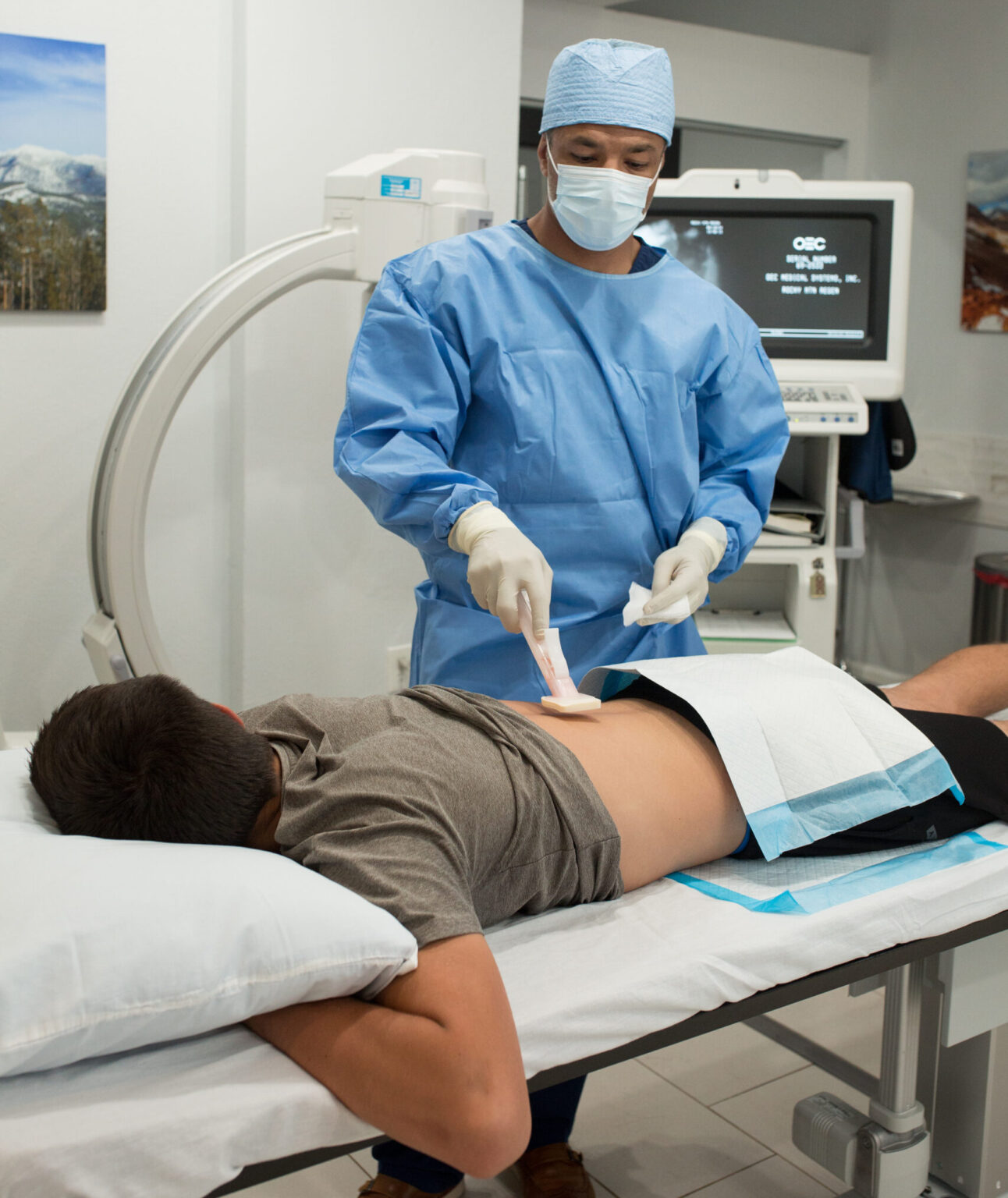
Among the most revolutionary treatments in regenerative medicine is Bone Marrow Derived Stem Cell Therapy. This procedure involves extracting stem cells from the patient’s bone marrow and reintroducing them into targeted areas requiring repair. Stem cells possess the extraordinary capacity to differentiate into various types of tissues, making them an essential component for healing musculoskeletal injuries, joint damage, and degenerative diseases. Patients benefit from accelerated tissue regeneration and reduced inflammation, leading to improved mobility and function over time. This therapy continues to attract attention for its ability to provide sustainable, natural healing.
Applications and Effectiveness of Stem Cell Therapies
The scope of Bone Marrow Derived Stem Cell Therapy extends beyond sports medicine and orthopedics. Research shows promising outcomes in conditions like osteoarthritis, tendon injuries, and spinal disorders. Instead of temporary relief offered by conventional pain management, this therapy works at the cellular level to repair tissue damage and slow disease progression. Patients often report noticeable improvements in their quality of life, including reduced dependence on medications. By addressing the underlying cause of pain and degeneration, the therapy is positioned as a long-term solution rather than a short-term fix, which highlights its growing significance in clinical practice.
Introducing Eswt Shock Wave Therapy
Alongside stem cell innovation, Eswt Shock Wave Therapy has gained popularity as a non-invasive approach to musculoskeletal rehabilitation. This therapy uses acoustic shock waves to stimulate healing in damaged tendons, ligaments, and bones. The energy delivered to targeted tissues encourages increased blood flow, collagen production, and accelerated repair. It is often recommended for patients with chronic pain conditions such as plantar fasciitis, tendonitis, or calcific shoulder issues. Unlike surgical procedures, this therapy requires no incisions and comes with minimal downtime, making it an attractive option for those seeking effective yet low-risk treatments.
Benefits and Growing Role of Shock Wave Treatments
Clinical studies and real-world applications demonstrate that Eswt Shock Wave Therapy provides substantial pain relief and functional improvement for many patients. The treatment is designed to promote long-term healing rather than simply masking discomfort. Over several sessions, patients typically experience enhanced mobility and reduced inflammation. Its non-invasive nature also makes it suitable for individuals who may not be ideal candidates for surgery or who prefer to avoid invasive interventions. With continuous advancements in medical technology, this therapy is becoming an integral part of comprehensive rehabilitation programs across healthcare facilities.
Conclusion
The evolution of regenerative medicine highlights a shift toward treatments that restore natural healing functions rather than relying solely on external interventions. From the cellular regeneration offered by Bone Marrow Derived Stem Cell Therapy to the tissue-stimulating effects of Eswt Shock Wave Therapy, patients today have access to advanced solutions for chronic pain and injury recovery. For more detailed insights into these groundbreaking treatments, visit rmrmco.com, where knowledge and innovation converge to support improved health outcomes. These therapies represent more than medical progress; they embody hope for a future where healing is guided by the body’s own potential.
Comments
Post a Comment