A New Era in Spinal Healing
The story of regenerative medicine often begins with a patient who has exhausted conventional options yet still hopes for recovery. Advances in Stem Cell Therapy in Spinal Disorders are now reshaping that hope into a realistic medical pathway. This evolving field focuses on repairing damaged spinal tissues rather than only masking pain or stabilizing structures. Its significance lies in the potential to improve mobility, reduce chronic discomfort, and slow degenerative processes. As spinal conditions continue to affect millions worldwide, regenerative strategies are gaining attention as an important complement to established orthopedic and neurological treatments.
Scientific Foundations of Spinal Regeneration
Research behind Stem Cell Therapy in Spinal Disorders is grounded in the unique ability of stem cells to differentiate into specialized tissues and to influence healing through biological signaling. When introduced into damaged spinal environments, these cells may support tissue repair by stimulating growth factors and reducing local inflammation. The spinal cord, intervertebral discs, and surrounding structures respond differently, making targeted application essential. Ongoing laboratory and clinical investigations are helping to refine delivery methods, dosage considerations, and patient selection, ensuring that regenerative principles are applied with greater biological precision and consistency.
Clinical Relevance for Degenerative and Traumatic Conditions
Spinal disorders range from age-related disc degeneration to traumatic injuries that disrupt nerve pathways and structural integrity. Regenerative approaches aim to address both mechanical damage and cellular dysfunction at their source. Patients with chronic back pain, herniated discs, or early degenerative changes may benefit from therapies designed to restore tissue quality rather than solely manage symptoms. These treatments are increasingly viewed as part of an integrative model that includes rehabilitation, imaging-guided interventions, and long-term monitoring to assess meaningful improvement in function and quality of life over time.
Understanding Fat-Derived Stem Cell Applications
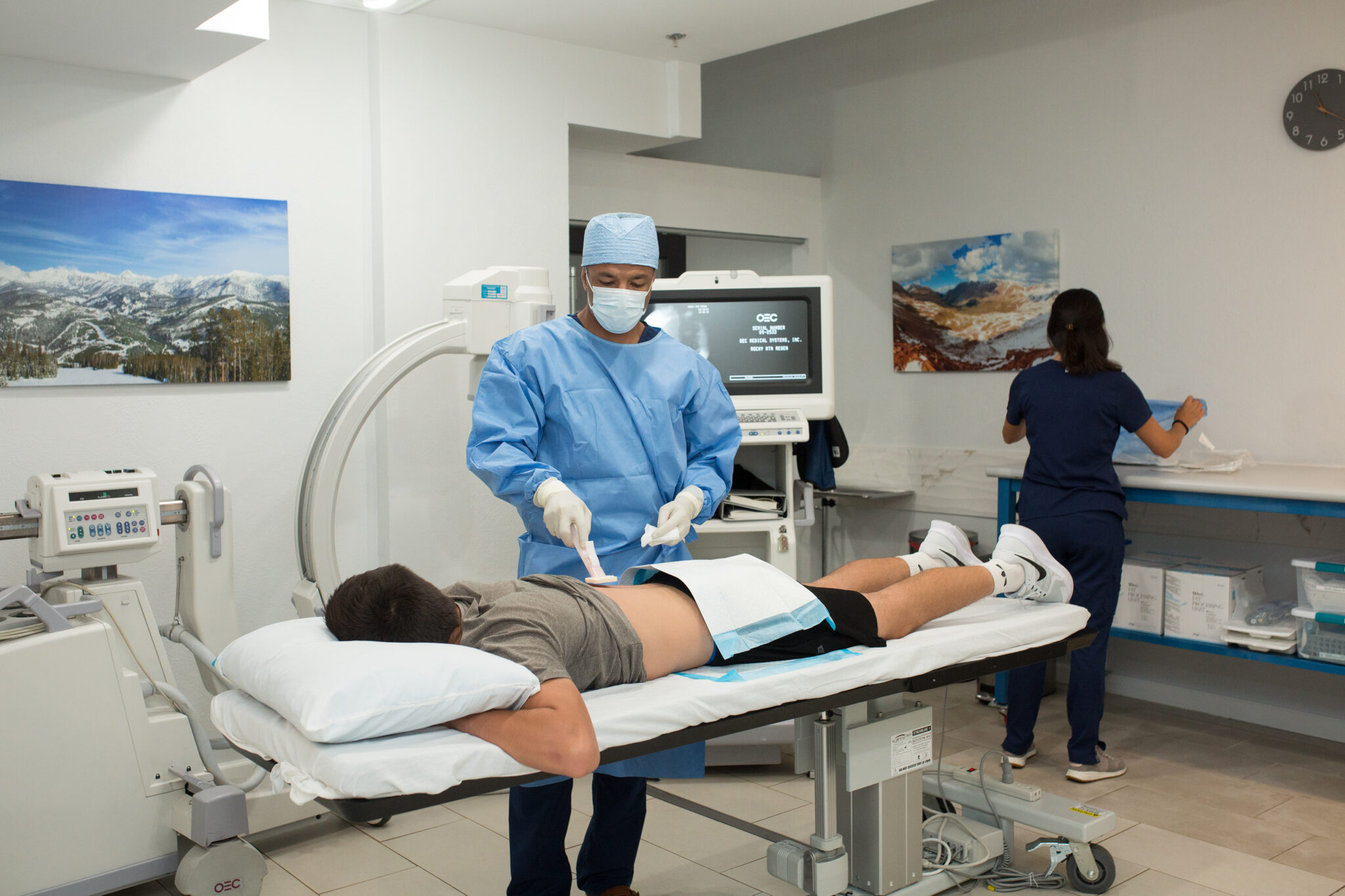
A growing area of interest involves Fat Derived Stem Cell Therapy, which uses stem cells harvested from adipose tissue due to its rich cellular yield and relative accessibility. Adipose tissue contains regenerative cells capable of influencing tissue repair and modulating inflammatory responses. After careful processing, these cells can be introduced into targeted spinal regions under imaging guidance. Their biological activity may support disc hydration, improve microcirculation, and enhance the repair environment. This approach reflects an effort to use the body’s own biological resources to stimulate recovery at a cellular level.
Therapeutic Outcomes and Patient Considerations
Clinical observations surrounding Fat Derived Stem Cell Therapy suggest promising outcomes for selected spinal conditions when applied within appropriate medical frameworks. Patients considered for such therapies typically undergo thorough diagnostic evaluation to determine candidacy and expected benefit. Outcomes often focus on pain reduction, functional mobility, and delayed disease progression rather than immediate structural reversal. Individual response varies based on age, severity of degeneration, overall health, and adherence to post-procedure rehabilitation. As clinical evidence expands, protocols continue to evolve toward safer, more predictable results in real-world practice.
Safety, Regulation, and Ethical Dimensions
Any regenerative intervention must operate within clearly defined safety and regulatory standards, including those surrounding Fat Derived Stem Cell Therapy. Processing methods, sterility controls, and physician expertise play essential roles in minimizing risk. Regulatory bodies across regions continue to update frameworks to balance innovation with patient protection. Ethical considerations also arise regarding informed consent, realistic expectation setting, and transparency of outcomes. Long-term follow-up remains critical, as spinal tissues respond slowly to biological repair, and delayed effects can influence both effectiveness and safety assessments over extended periods.
Future Directions in Regenerative Spine Medicine
The future of spinal regeneration is closely tied to advances in imaging, biomaterials, and cellular engineering. Researchers are exploring better ways to enhance stem cell survival, improve targeted delivery, and combine regenerative cells with supportive scaffolds. Artificial intelligence is also emerging as a tool for personalized treatment planning and outcome prediction. As data accumulates from controlled trials and registries, clearer clinical guidelines are expected to emerge. These developments indicate a gradual transition from experimental use toward more standardized regenerative spinal care pathways.
Conclusion: Integrating Innovation with Responsible Care
The growing body of evidence supporting Stem Cell Therapy in Spinal Disorders reflects a broader shift toward biologically driven healing in musculoskeletal medicine. While regenerative approaches do not replace conventional surgery or rehabilitation, they may increasingly serve as complementary options for carefully selected patients. Modern clinics, including rmrmco.com, highlight how emerging therapies are being integrated into comprehensive spinal care models. Continued research, ethical oversight, and patient-centered evaluation will remain essential as regenerative medicine moves from promise to established clinical practice in spine health.
Comments
Post a Comment